
Looking for the ideal place to rest your head in Sliema, Malta? Whether you’re a budget-conscious backpacker or seeking something with a bit more comfort, this vibrant coastal…
Read More
Malta is small, but there’s a surprising amount to do. Wander the golden streets of the capital Valletta and the quiet fortified town of Mdina, visit temples that are thousands of years old, or swim in the clear water around Gozo and Comino. And everywhere, you’ll notice the British and Italian influences.
Quick links for planning your trip:
Accommodations | Car rental | Activities
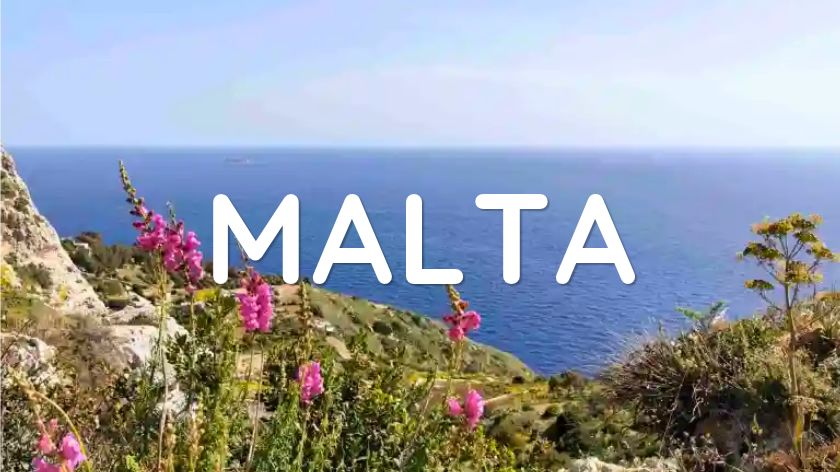
Looking for the ideal place to rest your head in Sliema, Malta? Whether you’re a budget-conscious backpacker or seeking something with a bit more comfort, this vibrant coastal…
Malta is a beautiful Mediterranean archipelago and the perfect destination for people who love history, culture, the sun, and the sea. So whether you’re looking for relaxation or adventure, Malta has something for everyone. With these tips, you can make a holiday in Malta your best one yet!
An endless promenade along the rocky beaches embraces Sliema. The former fishing village is now one of Malta’s leading tourist destinations. And that is not surprising because the sea is calling, and the brightly colored doors and balconies immediately put you in a holiday mood.
St Julian’s is the throbbing nightlife district of Malta. It is packed with bars, cafes, clubs and restaurants. So you can imagine that many tourists stay here. Find out what to expect in St Julian’s.
Yay! You are going to Malta. Super fun, obviously. To prepare for your trip, I have gathered a few practical tips for you. So that you will not be faced with unwanted surprises in beautiful Malta.
More nature and fewer people. That is what immediately stands out when you get off the ferry from Malta to Gozo. And that is quite a relief after the hustle and bustle of the main island of Malta. So a relaxing trip to Gozo should definitely be on your Malta to-do list!
The yellow limestone glows golden in the sun, and the balconies are painted cheerful colors. You’re in Valletta, Malta. The smallest capital in Europe. That means that it’s easy to oversee and highly walkable. Find out what to do in Valletta.

