
It is almost a shame to only stay in the city during a visit to Trento. Almost, because it is a fantastic city to explore. If you do want to discover the area, try one of these 5 day trips.
Read More
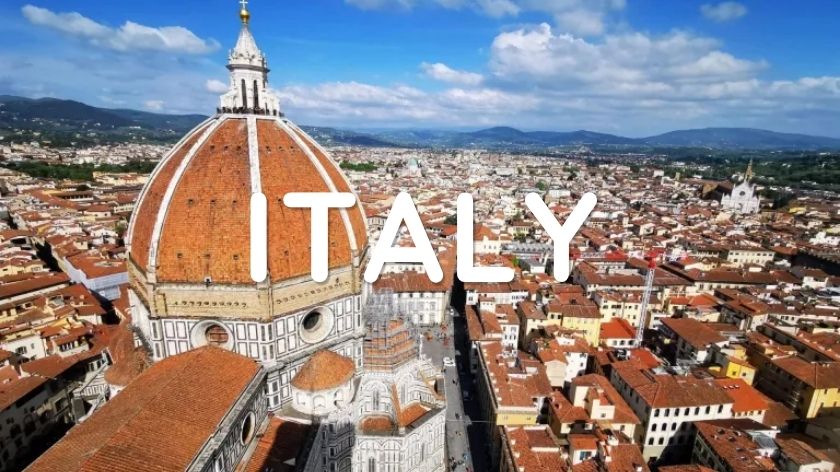
Pasta, pizza and gelato, Roman ruins and Renaissance art. From the lakes and the Dolomites in the north via Tuscany and Rome to the beaches of Puglia and Sicily: Italy is incredibly diverse. And everywhere, there’s an espresso waiting for you at the bar.
Quick links for planning your trip:
Accommodations | Car rental | Local transport | Activities
It is almost a shame to only stay in the city during a visit to Trento. Almost, because it is a fantastic city to explore. If you do want to discover the area, try one of these 5 day trips.
You have to eat anyway, so make sure it’s good, right? In Bari (Italy), there are so many places to eat that I get lost. Which restaurant should I go to? Check out my experiences with food in Bari here: good and bad.
The narrow streets with tall buildings retain the smell of food and clean laundry. The paving stones are almost spotless. Every day, the local residents faithfully clean the street in front of their houses in Bari Vecchia, the old town of the Italian port city of Bari. I’m in the heel of Italy, discovering Bari’s sights even in November in sandals. 20°C!

